How Nepal should approach educational policy using ICT

Once the manifesto has been announced there is a huge need for a conversation between different key policymakers to enhance the learning experience. The announcement should challenge the “WHY” and the delivery of such promises should analyse the idea regarding deployment with existing education infrastructure. After this initial phase, a more sustained approach must be considered to make sound judgments on rollout (how it’s going to be delivered), preparation for training (to ensure the correct use of training) and electricity and connectivity (for those who cannot afford to be online every day). Even after all this, the problem with digital technology has its inherent malfunction, how do you fix a connected device in an unconnected place and culture?
- After connectivity how do you sustain the practice of use?
- Is the classroom equipped to handle the new technology?
- And are the teachers trained enough for themselves and to the children by creating an interactive learning space to learn?
Then the problem of large-scale deployment puts pressure on ideas regarding sustainability on the digital infrastructure to manage its user support, maintenance and frequent updates. Usually, the primary concern is wrongly focused, the spotlight should not be on the product but rather on “what the device can do for you”. And although these manifesto announcements are mostly large-scale publicity stunts it does not address the core root of what you are trying to accomplish which is, to improve education. This new shift needs to link encouragement with motivation and guidance while emphasizing and rewarding those who can capture local data well.
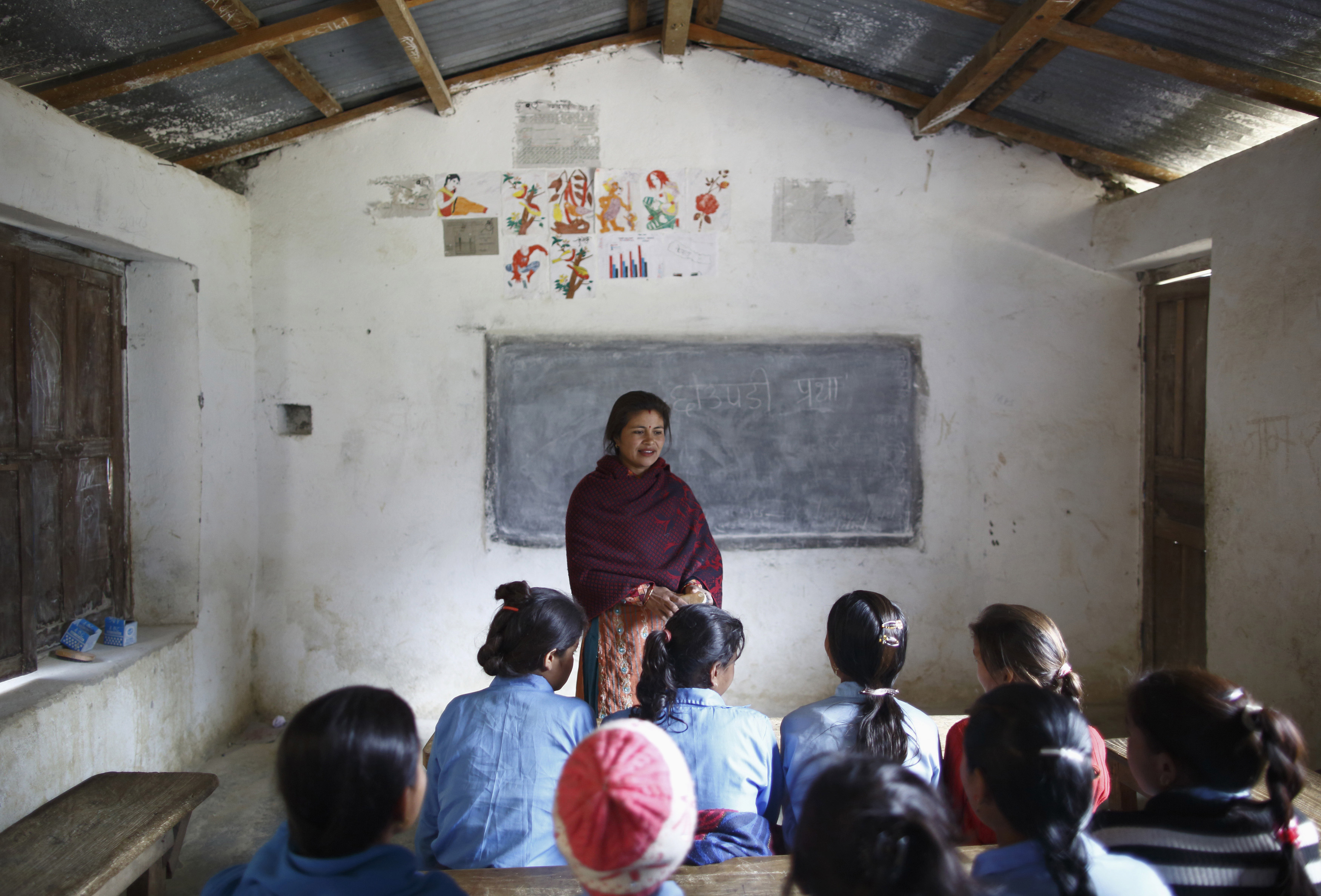
One of the biggest problems facing many school children is the ability to sustain their use of learning outside of the classroom setting. Remote learning has become the main story in supporting children when they are not in class. Innovation in teaching has been accommodating much of these new learning environments and sustaining the interaction between teachers and students outside of the school. These engagements have highlighted common patterns of learning throughout the world which is helpful for educators and key policymakers to tailor the personalized experience to that one child. Technology as an accommodating learning transition can also empower the teachers within the shared learning space through constant dialogue between the department of education, regional education directorates, district education officers and resources centres throughout the country.

This multi-channel collaboration can foster a new type of relationship that promotes the continuity of the essential role of the teacher as new community leaders for localised education. They spearhead the concerns and grievances of the local community by collecting data and perceptions of different stakeholders at the time of the problem. These timely recorded concerns are captured by the local ministries who are able to digest and synthesize this information in real-time. This reduces the communication hurdles between the power centres (federal, provincial and local) and their population. The goal of this approach is to follow the blueprint of a new shifting baseline for needs and wants of the classroom and deliver them in a timely and result orientated fashion that is championed by data. By being timely, new innovative styles can be deployed swiftly and small milestones can be tackled in their respected speed and adoptability. Giving teachers the freedom to be their own IT architects in this new space can promote creativity and reduce absenteeism which ultimately increases the learning performance of children of all abilities. This data-focused approach is synthesized not only to write reports but to act upon them as swiftly as possible. This village centred approaches understand the infrastructure capacity and build upon them. An example is the idea of a separate room.
Rural villages in Nepal that are built by international donors look into the idea of a separate room for learning as a safe space. While this on paper sounds good, many of these ideas could focus on a more localized approach that reduces costs. For example, computer rooms when integrated into the classroom is a small change that makes the learning experience feel like an integrated curriculum. This extended helping hand in learning, through the use of technology, can often encourage creative thinking and promote the continuity of their future studies within the STEM fields.
Finally, by understanding the requirement of technology it is easier to proceed with the said manifestos. If the intentions of local ministers are to get re-elected, then they should be proud because they have obtained this privileged position as essential problem solvers within the community.
Start with a small step, integrate it with your existing systems and update the roadmap so that you can take advantage of the infrastructure to better education.

- Tek


Comments
Post a Comment